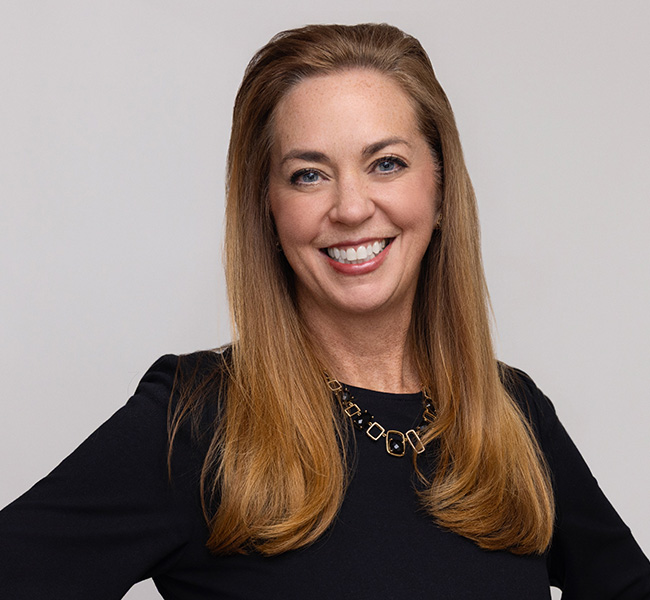
Marie Benedict is a lawyer with more than ten years’ experience as a litigator at two of the country’s premier law firms. She found her calling unearthing the hidden historical stories of women. Her mission is to excavate from the past the most important, complex and fascinating women of history and bring them into the light of present-day where we can finally perceive the breadth of their contributions as well as the insights they bring to modern day issues.
She is the New York Times and USA Today bestselling author of The Queens of Crime, The Mitford Affair, Her Hidden Genius, The Mystery of Mrs. Christie, The Only Woman in the Room, Lady Clementine, Carnegie’s Maid, The Other Einstein, and the novella, Agent 355. With Victoria Christopher Murray, she co-wrote the Good Morning America Book Club pick The Personal Librarian and the Target Book of the Year The First Ladies.
With Courtney Sheinmel, she released the first book in a a middle grade historical adventure series, entitled The Secrets of the Lovelace Academy.
Her books have been translated into thirty languages, and selected for the Barnes & Noble Book Club, Target Book Club, Costco Book Club, Indie Next List, and Library Reads List.
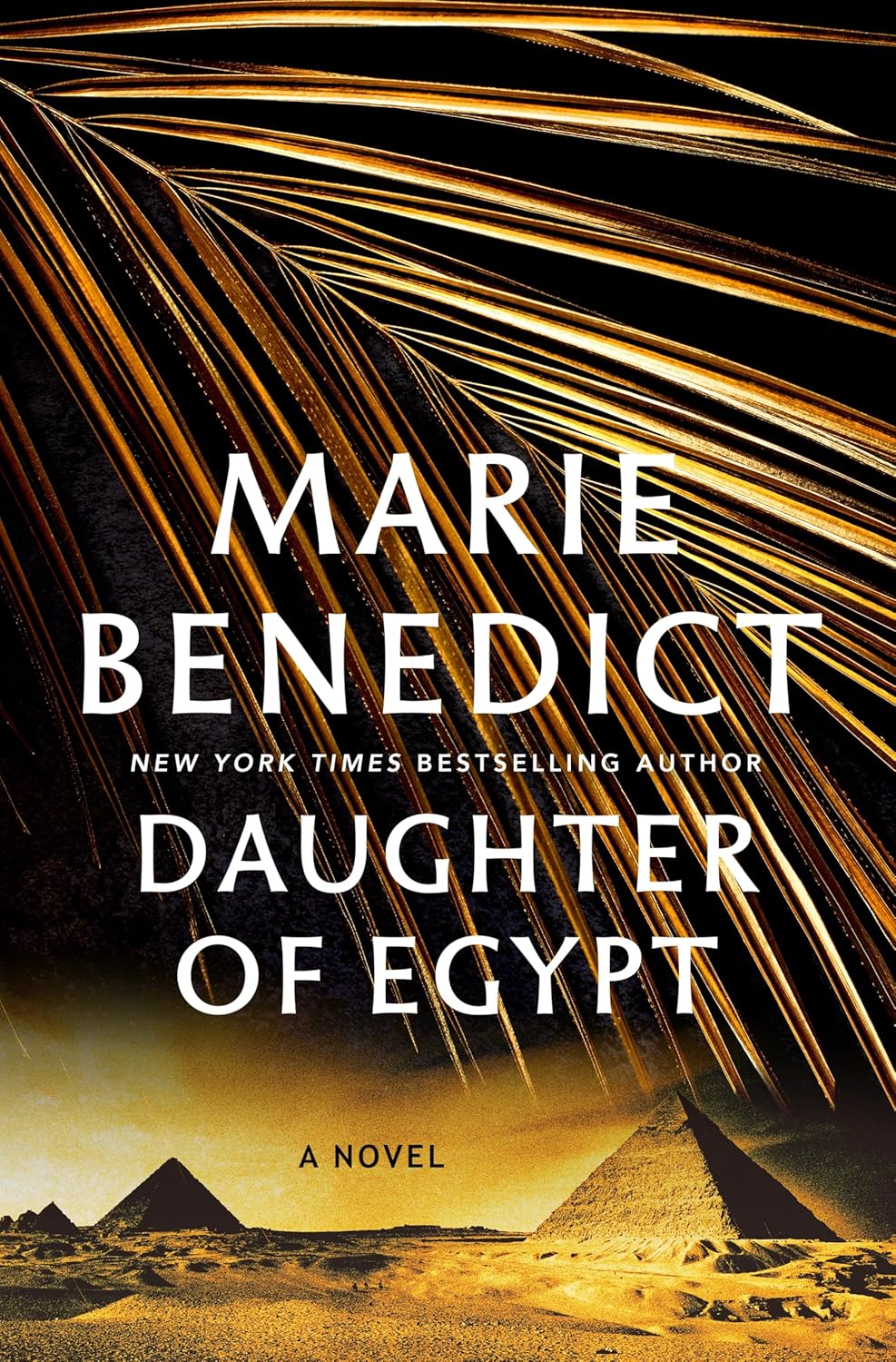
Up next is her March 24, 2026 release DAUGHTER OF EGYPT, a sweeping tale of Lady Evelyn Herbert of Highclere Castle who unearths in Egypt the truth about a forgotten female Pharaoh — rewriting both of their legacies forever.
An Exclusive Interview with Marie Benedict
What’s the best thing about being a writer?
As a child, I always adored books in which the characters found a doorway to the past and got to lose themselves in another time and place. I wanted to be those characters. Now, as a writer, I get to fulfill that childhood fantasy of traveling to the past by walking through the doorway of my fiction.
How do you get inspired to write?
Because my writing focuses on the untold stories of women throughout history, the inspiration for my writing usually comes from historical research and reading that I undertake regularly. Once I dig into the research, I operate almost like a archaeologist, unearthing the story from the detritus of history where it was buried. That said, sometimes I find my heroines elsewhere — in newspapers and magazines, on the blue historical plaques on the side of buildings. In the failure to mention women where I know they are, even from readers.